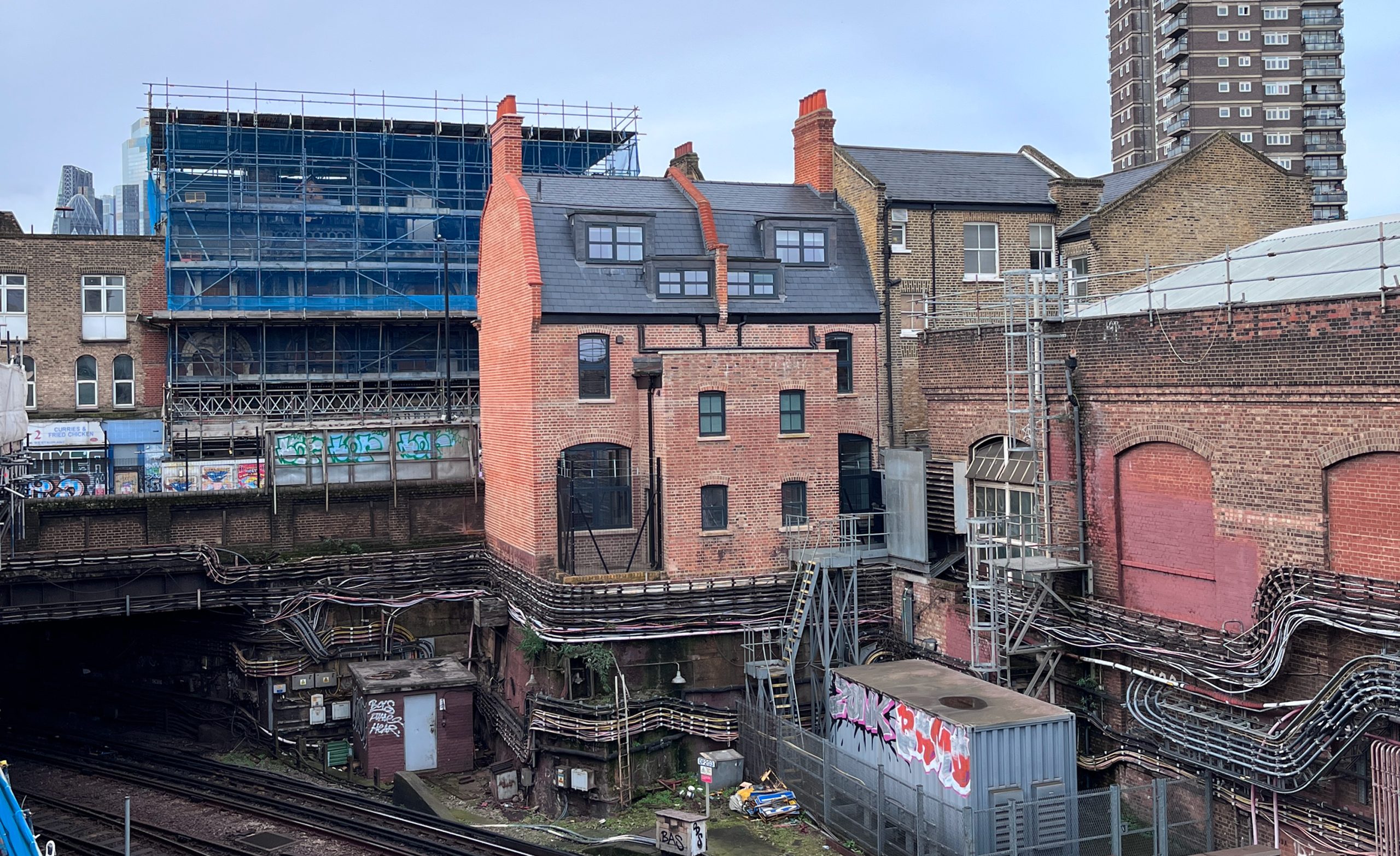
Whitechapel Road Refurbishment, London
Project Overview
Bellamy Wallace Partnership were appointed to provide structural and temporary works engineering services for the refurbishment of 197–309 Whitechapel Road, London.
The project comprised the extensive alteration and upgrading of a series of existing buildings within a dense urban setting. The works required careful integration of temporary and permanent structural solutions to facilitate safe and efficient delivery of the refurbishment.
The Challenge
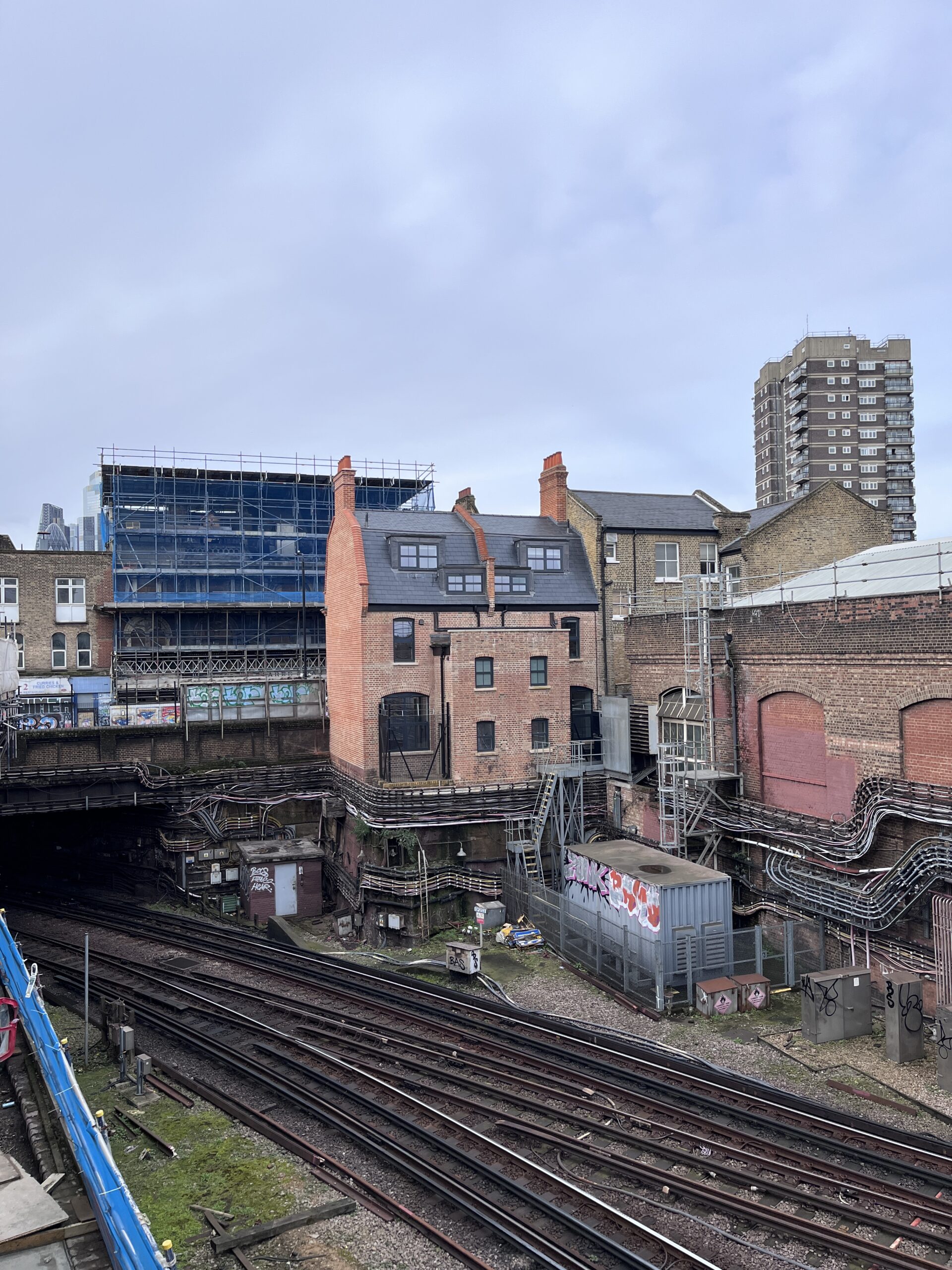
The site presented significant constraints due to its immediate proximity to Whitechapel Underground Station and the operational Hammersmith & City Line. The buildings directly adjoined live railway infrastructure, introducing a heightened level of risk and complexity.
Key challenges included:
- Managing works adjacent to operational rail assets
- Maintaining the structural stability of existing buildings during alteration
- Controlling movement in areas sensitive to ground vibration and structural change
- Coordinating approvals and design interfaces with Transport for London (TfL)
- Working within restricted access and constrained site conditions
Our Approach
BWP worked closely with the wider design and construction team to develop robust temporary works strategies that enabled the safe execution of the refurbishment works.
Our approach focused on:
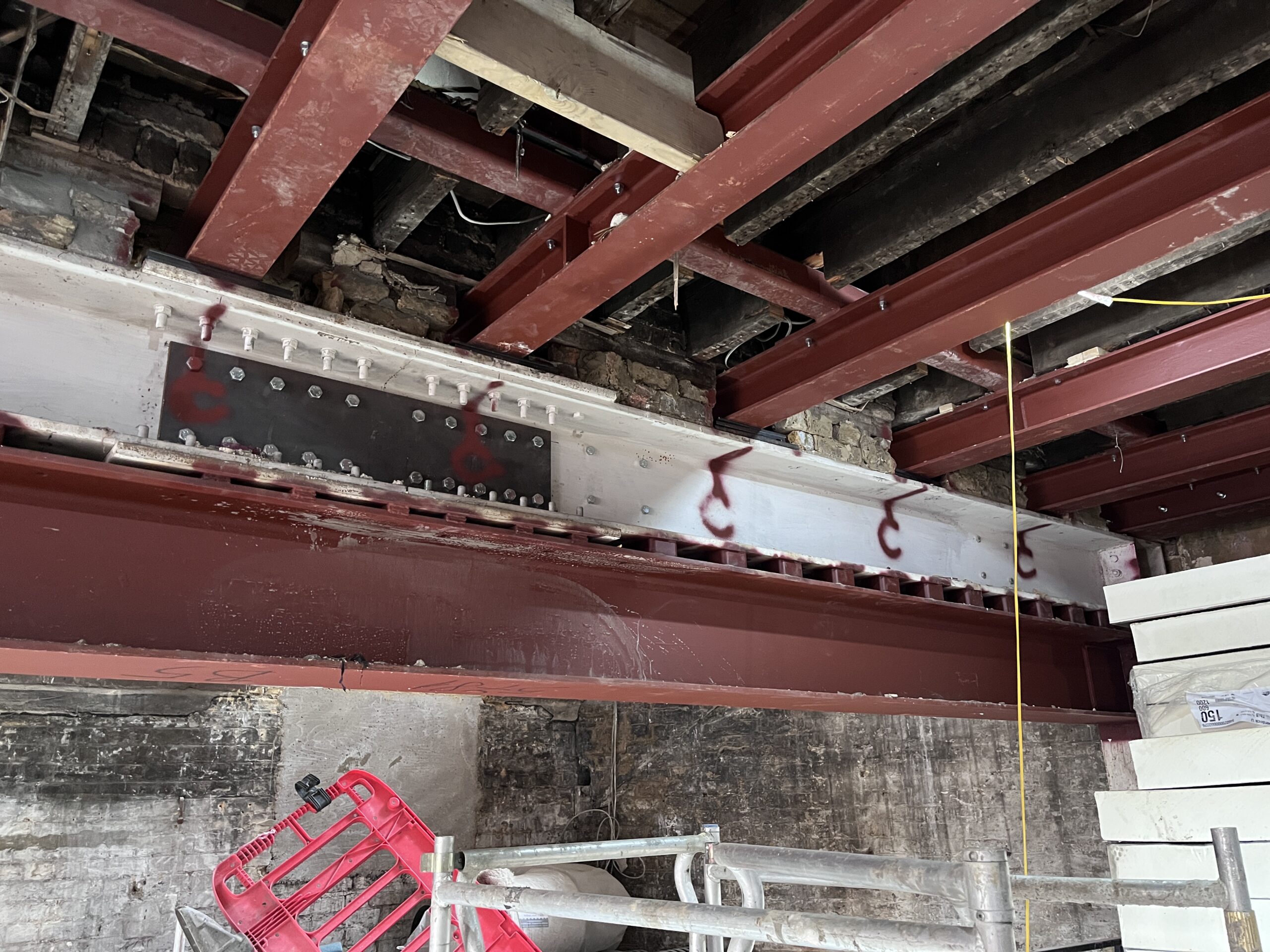
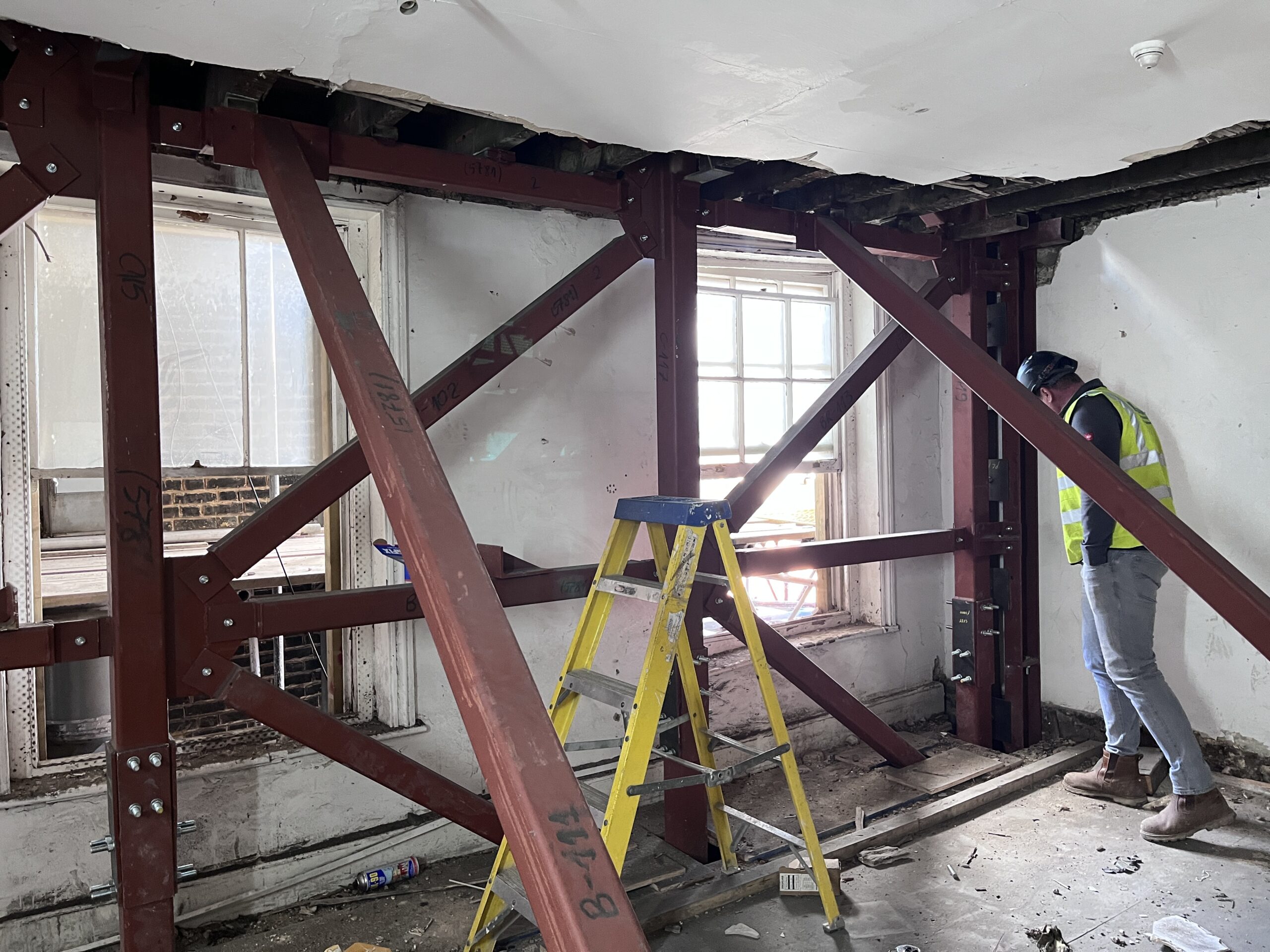
- Designing temporary support systems to facilitate phased demolition and structural alterations
- Developing sequencing strategies that minimised risk to adjacent railway infrastructure
- Ensuring continuous load paths were maintained throughout all stages of the works
- Integrating temporary works design with permanent structural proposals to improve buildability and programme efficiency
- Supporting the contractor through ongoing coordination with TfL and other stakeholders
Engineering Solutions
- The scheme required a highly coordinated approach to temporary works design, including:
- Installation of steel framing systems to support existing structures during alteration
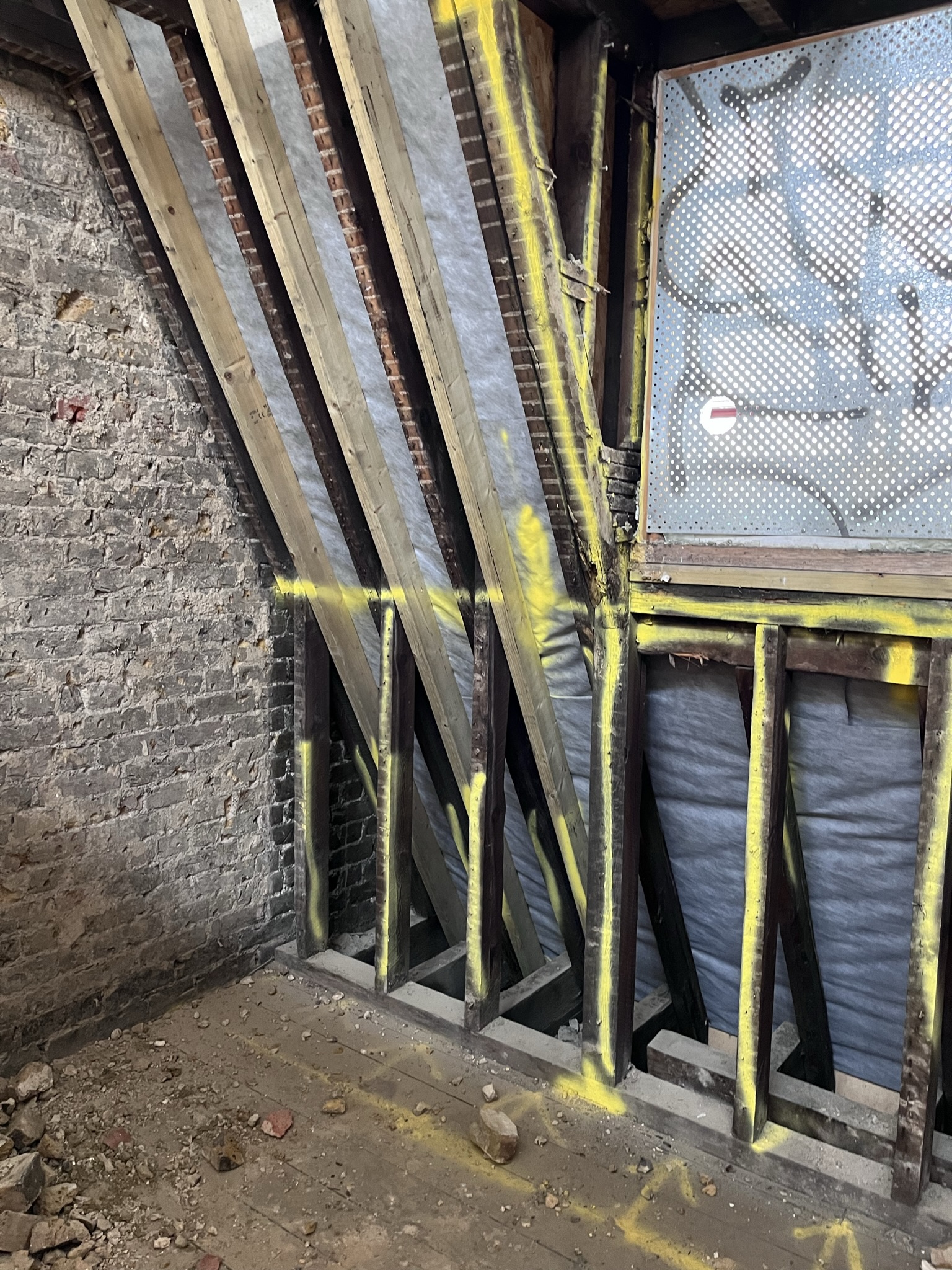
- Localised strengthening and stabilisation of masonry and timber elements
- Careful sequencing of demolition and reconstruction activities
- Implementation of monitoring strategies to manage structural movement
- Close collaboration with TfL to satisfy technical approval processes for works affecting operational infrastructure
Outcome
The project was successfully delivered through careful planning, detailed design and collaborative working between all parties.
Our involvement ensured that:
- Refurbishment works were carried out safely alongside live railway operations
- Structural risks were effectively managed throughout the programme
- Temporary and permanent works were fully coordinated to support efficient construction
- Stakeholder requirements, including TfL approvals, were achieved
Project Highlights
- Complex refurbishment adjacent to live underground railway infrastructure
- Integration of temporary and permanent works design
- High level of stakeholder coordination and technical approvals
- Delivery within a constrained and sensitive urban environment